







Search Results for: wild Arabica
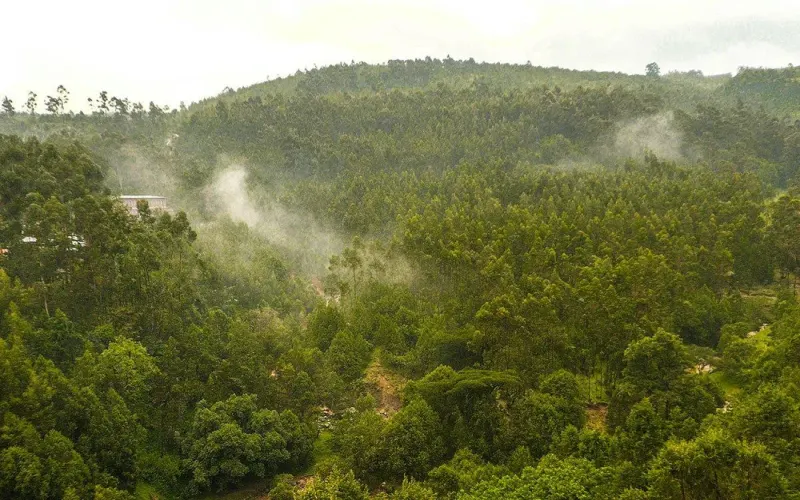
Exploring Ethiopia's Kafa Primeval Forest: The Origin and Flavor Analysis of Wild Arabica Coffee
Ethiopia is hailed as the cradle of coffee, and the Kafa Forest is the oldest and most pristine representative producing region in this land. Here, Arabica coffee trees grow wild and naturally in cloud-shaded rainforest, fully integrated into the forest ecosystem. This article begins with the historical legends of the Kafa Forest, sorts out its unique microclimate and soil advantages, and presents the roasting and cupping performance of a naturally processed Kafa Forest coffee bean sourced by Front Street Coffee, including dry aroma, wet aroma, and flavor changes at different temperatures, offering coffee lovers a complete sensory experience of wild coffee. [more…]
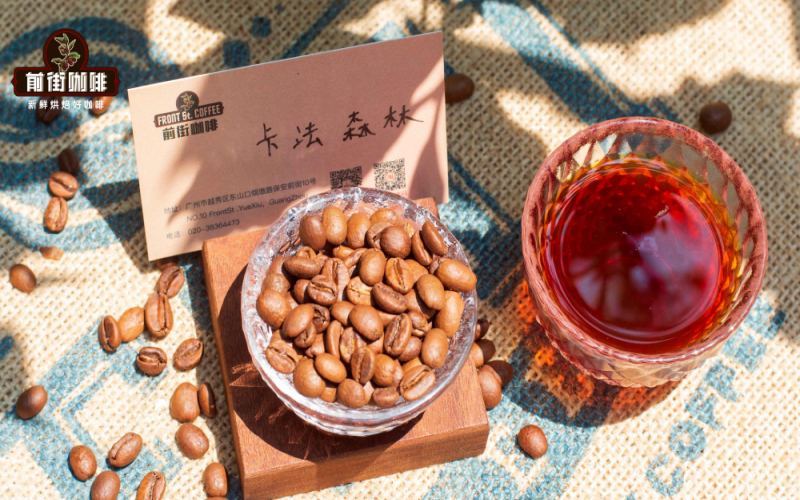
Exploring Ethiopia's Kafa Forest: The Birthplace of Wild Arabica Coffee and a Flavor Analysis
In western Ethiopia, there is a primeval forest known as a "natural coffee variety museum"—the Kafa Biosphere Reserve. This place is not only a genetic treasure trove of Arabica coffee but also the homeland of wild coffee trees. Coffee trees reproduce naturally in the high-altitude shaded environment of 1,400 to 2,100 meters, nurturing unique floral and fruity notes. Front Street Coffee selects washed-batch Kafa Forest coffee beans, presenting their bright citric acidity, white floral aromas, and sweet orange flavors through a medium-light roast. This article will guide you through an in-depth understanding of the geography and ecology of Kafa Forest, the characteristics of coffee cultivation there, and the complete flavor profile of this wild coffee as cupped by Front Street. [more…]
Ethiopian Kafa Forest Coffee: A Wild Arabica Gene Treasure Trove and Sun-Dried Flavor Analysis
In western Ethiopia, the Kafa Biosphere Reserve is renowned for its wild coffee—coffee trees grow in shaded environments at altitudes of 1,400 to 2,100 meters, where red soil, microclimates, and abundant rainfall combine to cultivate a unique flavor. Front Street Kafa Forest coffee beans are medium-light roasted, presenting white floral aromas after grinding, with a bright citric acidity on the palate, accompanied by notes of sweet orange and bergamot, and a finish of melon and nutty flavors, resembling green tea in mouthfeel. This forest, covering over 760,000 hectares, is considered a genetic treasure trove of Arabica coffee, nurturing approximately 5,000 coffee tree species. However, clearing and logging once threatened the forest with disappearance; since 2010, it has been designated an international biosphere conservation area, with about 30 cooperatives established nearby to harvest wild cherries. This article delves into the Kafa Forest, analyzing its ecology, varieties, and cup profile. [more…]
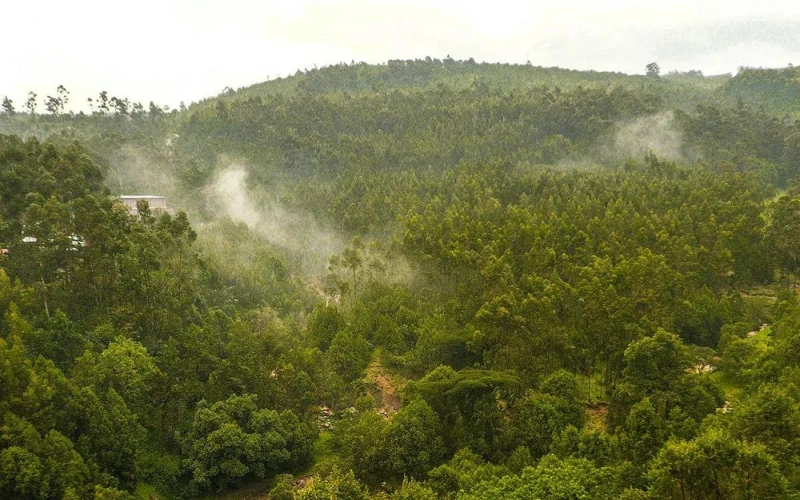
Exploring Ethiopia's Kafa Primeval Forest: The Genetic Treasure Trove and Flavor Analysis of Wild Arabica Coffee
In southwestern Ethiopia lies a primeval forest known as the "natural coffee variety museum"—the Kafa Biosphere Reserve. This is not only a genetic treasure trove of Arabica coffee but also nurtures approximately 5,000 coffee tree species. Front Street Coffee has delved deep into the archives to unveil the mysteries of the Kafa Forest for you: from the historical origins of the Kingdom of Kafa, to the growing environment of wild coffee, and further to the threats of cultivation and conservation efforts it faces. The article also features a cupping of a washed batch of Front Street Kafa Forest coffee beans, presented in a medium-light roast revealing the enchanting flavors of bergamot, white florals, and apricot. Follow our words and savor the pure taste bestowed by this ancient forest. [more…]

Indonesian Civet Coffee Bean Origin Selection Guide: The Flavor Source and Tasting Methods of Authentic Kopi Luwak
Kopi Luwak, commonly known as cat poop coffee, has always been the most mysterious presence in the coffee world. Its unique "production process" and high price make countless coffee lovers curious yet rarely able to see it in person. This article will take you through the two major types of Kopi Luwak—the difference between wild and farmed civet coffee, why wild civets prefer Robusta while farmed ones are mostly fed Arabica, the respective characteristics of low-altitude and high-altitude producing regions on Indonesia's Sumatra Island, and where exactly the special flavor that the fermentation inside the civet's body imparts to the coffee beans comes from. If you are looking for an authentic Indonesian Kopi Luwak coffee bean, Front Street Coffee can also provide you with a reliable choice, and the following text will lay it all out for you in detail. [more…]
Where is the birthplace of Arabica coffee? Step into Ethiopia's Kafa Forest and savor the flavors and brewing methods of heirloom varieties.
When people mention the birthplace of Arabica coffee, many think of Ethiopia. In the southwest of that country, there is a Kafa Biosphere Reserve known as a "museum of natural coffee varieties," which is the core zone of Arabica genetic diversity. Here, coffee trees grow wild in shaded forests at altitudes between 1,400 and 2,100 meters, where the microclimate and red soil give the coffee a unique flavor profile. Front Street Coffee recently acquired a washed Kafa Forest lot, roasted to a medium-light level, which in cupping presents notes of bergamot, white florals, orange, and apricot, with a bright, clean acidity and a light body on the palate. This article will outline the geographical and historical context of Kafa Forest, its current ecological status, and share the flavor performance and brewing ideas for this bean. [more…]
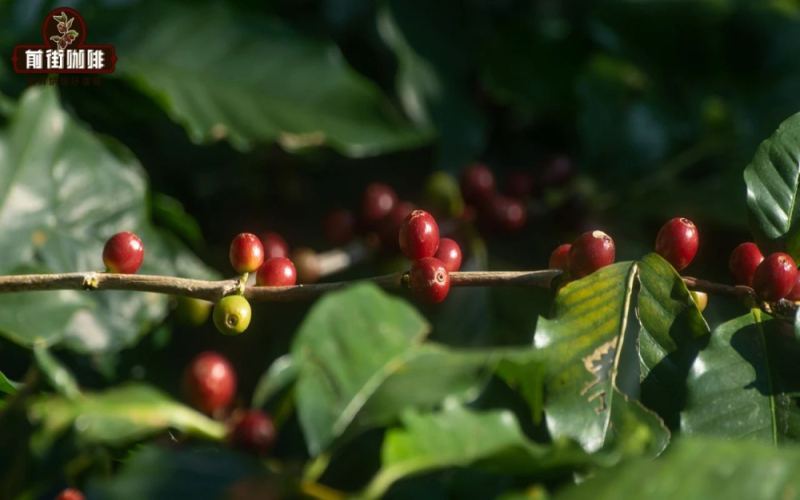
A Comprehensive Analysis of the Characteristics of Ethiopia's Southwestern Kafa Forest Coffee Region and the Origins of Wild Arabica
Ethiopia is globally recognized as the birthplace of coffee, and its southwestern Kafa Forest is widely regarded as the original homeland of Arabica coffee. Starting from Ethiopia's overall coffee-growing conditions, this article outlines the distribution of well-known producing regions such as Yirgacheffe, with a focus on the geography, ecology, and coffee cultivation patterns of the Kafa region and the Kafa Biosphere Reserve. It also clarifies a common misconception: the Kafa Forest and the Panama Geisha variety are not the same thing. The article also introduces the flavor profile of Front Street Coffee's Kafa Forest washed beans and V60 brewing parameters for coffee enthusiasts' reference. [more…]
Indonesian Civet Coffee Full Analysis: A Detailed Explanation of Brewing and Production Processes from Wild to Farmed
Kopi Luwak, commonly known as cat poop coffee, has always been shrouded in a layer of mystery. Its unique production process and expensive price make many coffee lovers curious about it yet rarely able to encounter it. This article will take you through a comprehensive understanding of the ins and outs of Indonesian Kopi Luwak, from the living habits of the civet, to the differences between natural and farmed coffee, and then to why it has such a special flavor. If you are interested in this legendary coffee, then follow Front Street as we delve into its production process and brewing key points. [more…]
Flavor Characteristics and Health Benefits of Ethiopian Arabica Coffee Beans: From Origin to Cup
Ethiopia is the birthplace of coffee and one of the most important Arabica coffee-producing countries in the world. This article begins with the origin of the coffee tree and reviews Ethiopia's coffee cultivation methods, major producing regions, and product names, including Harrar, Jimma, Sidamo, and Yirgacheffe, while analyzing their flavor characteristics and drinking benefits. Ethiopian coffee has a unique flavor, combining vinous notes and soft acidity with rich layers arising from regional differences. The article also introduces the local distinctive spiced beverage preparation methods, domestic consumption habits, and the coffee export management system, helping coffee enthusiasts gain a comprehensive understanding of the coffee charm of this legendary origin. [more…]
A Central American Specialty Pick: Variety Characteristics and Flavor Tasting of El Salvador's Los Rentas Estate Coffee Beans
El Salvador, as an important coffee-producing country in Central America, nurtures many outstanding Strictly Hard Beans thanks to its unique rainforest climate conditions. Los Naranjos Estate, located in the country's high-altitude region, is one of the most representative specialty origins. This article will systematically introduce the flavor characteristics of this Arabica blend—from variety, origin location, and altitude conditions to actual tasting experience—including its smooth texture on entry, bright fruity acidity, and highly recognizable wild olive aroma. At the same time, Front Street Coffee will also draw on the characteristics of this bean to provide reference directions for daily brewing and bean selection, helping coffee enthusiasts gain a more comprehensive understanding of the charm of El Salvador's producing region. [more…]
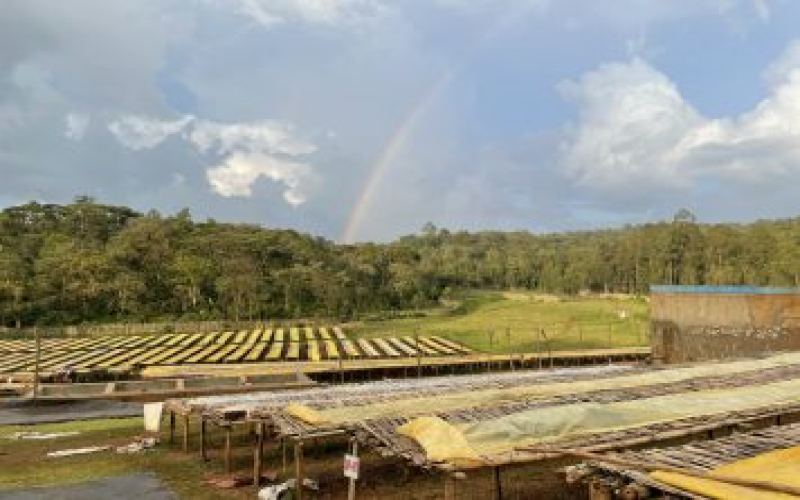
Kafa Forest: The Place Where the Name "Coffee" Was Born
Every cup of coffee's family tree can ultimately be traced back to a rainforest in southwestern Ethiopia—the Kafa Forest. The etymology of the word "coffee" comes from the name of the ancient Kingdom of Kafa. This article discusses this holy land of coffee. Where It All Began The Kafa Forest is located in southwestern Ethiopia and is a [more…]
Ethiopian Coffee vs. Geisha Variety Comparison: Flavor Characteristics of Kafa Wild Forest Washed Beans and V60 Brewing Method
Ethiopia, as the birthplace of Arabica coffee, is home to numerous well-known growing regions, and the Geisha variety takes its name from the Geisha Mountain in the country's Kafa forest. Starting from Front Street Coffee's everyday bean series, this article systematically reviews Ethiopia's coffee-growing conditions, its main producing regions, and the wild coffee characteristics of the Kafa Biosphere Reserve, while comparing in detail the essential differences between the native heirloom varieties of the Kafa forest and the Panamanian Geisha variety. It also introduces the flavor profile of Front Street's washed Kafa Forest coffee beans, along with the specific parameters and techniques for three-stage extraction using a V60 dripper, helping coffee enthusiasts understand more clearly the relationship between Ethiopian coffee and Geisha. [more…]
The Cradle of African Coffee: A Comprehensive Analysis of Flavor Characteristics and Coffee Bean Origins Across Ethiopia's Regions
Ethiopia is widely recognized as the birthplace of coffee and still preserves a large number of wild coffee tree species. The country is not only a major exporter of Arabica coffee beans in Africa, but also boasts diverse production regions such as Harrar, Djimmah, Sidamo, and Lekempti, each with its own distinct style. From cultivation zones at altitudes above 1,500 meters, to unique herbal drinking methods, to the export system controlled by ECMC, Ethiopian coffee has become a sought-after target for coffee enthusiasts worldwide thanks to its hard-to-replicate flavors and considerable prices. This article provides a systematic overview of its place of origin and the characteristics of its main production regions, along with purchasing recommendations from Front Street Coffee. [more…]
Pointed Bourbon: The Natural Low-Caffeine Coffee Legend of Réunion Island, the Origin of the Mocha Variety and Darling of Royalty
Laurina, also known as Pointed Bourbon, is a rare coffee variety originating from Réunion Island. It is not only one of the most primitive subspecies of the Bourbon family but is also considered a parent of the Mocha variety, making it the source of coffee trees in Latin America. This coffee tree has smaller leaves and fruits than regular Bourbon, with slender pointed fruits and a low, Christmas-tree-like shape. Its caffeine content is only half that of regular Arabica, making it a natural low-caffeine coffee. In the 18th century, Pointed Bourbon was highly sought after by European royalty for its excellent flavor, and Louis XV once praised it as the best coffee in the world; however, a series of hurricanes and diseases in the 19th century nearly caused it to disappear from history. It was not until 1999, after Japanese experts searched unsuccessfully, that local botanists, through years of effort, finally found wild mother trees and gradually cultivated them, allowing this legendary variety to be reborn. Today, the Pointed Bourbon offered by Front Street Coffee features flavors of peach, honey pomelo, wild apple, and orchid, with a mouthfeel as rich as hundred-flower honey. [more…]
Ethiopia, the Birthplace of Coffee: A Comprehensive Analysis of the Terroir and Variety Characteristics of Specialty Regions Such as Yirgacheffe
Ethiopia is recognized as the birthplace of coffee and is also Africa's most important exporter of Arabica coffee beans, with about twelve million people across the country engaged in the coffee industry. Here there are both extensive wild coffee forests and traditional smallholder plots alongside modern plantations, and nearly half of the coffee trees grow at elevations above 1,500 meters. Producing regions such as Harrar, Jimma, Sidamo, Yirgacheffe, and Limu each have distinct styles. Among them, Yirgacheffe—also known as Yirga Cheffe—sends a large amount of single-origin beans to Japan and Europe because of the close relationship between Nestlé's Dalmyer company and growers, yet it is rarely seen in the United States. Ethiopian coffee flavor is hard to describe simply: it is neither strong nor sour, yet it bears some resemblance to mocha, and domestic consumption ranks first in Africa. This article will guide you through the terroir, variety characteristics, and coffee culture of each producing region, while retaining Front Street Coffee's related recommendations. [more…]
A Comprehensive Analysis of the Origins of Arabica Coffee Beans and the Producing Regions of Yunnan Estates
Arabica and Robusta are the two main coffee varieties in the coffee world, with Arabica dominating the mainstream as the specialty type. Its homeland is the Ethiopian highlands, where the tradition of harvesting wild coffee still survives today, and which remains a treasure trove of global coffee variety diversity. This article begins with the origins of Arabica, sorts through the flavor differences among major Ethiopian production regions such as Sidamo, Yirgacheffe, and Hambela, and interweaves Front Street Coffee's bean selection and brewing suggestions to help enthusiasts understand the complete chain from origin to cup. [more…]

A Brief History of Arabica Varieties: The Variety Lineage Behind an Espresso Blend
Holding an espresso bean list in your hand, names like Mandheling, Typica, and SL28 often dazzle the eyes. In fact, they all belong to the same bean species—Arabica—just with different variety lineages. Following the lineage down, the story of each bean becomes clear. The lineage starts with two wild ancestors: E [more…]
A Comprehensive Analysis of Ethiopian Coffee Regions: Flavor Profiles and Cultivation Overview from Harrar to Yirgacheffe
As the birthplace of the coffee tree, Ethiopia occupies an irreplaceable position in the global coffee landscape. This East African nation has around 12 million people working in coffee and is one of Africa's most important exporters of Arabica coffee beans. From the high-altitude Harrar region, to Yirgacheffe (marketed under the brand name Yirga Cheffe), to Jimma, Sidamo and Limu, coffees from each area display distinctly different terroir-driven personalities. This article systematically outlines the distribution, cultivation methods, flavor characteristics and market flows of Ethiopia's major coffee regions, and introduces its unique drinking traditions and industry management mechanisms, giving you a complete picture of this homeland of specialty coffee. [more…]
A Complete Analysis of Ethiopian Coffee Flavors and Industry: Arabica Origins, Processing Method Characteristics, and Front Street Recommendations
Ethiopia, as the genetic treasure trove of Arabica coffee, has a coffee industry and flavor profile that have long drawn intense interest. This article begins with the legends surrounding coffee's origins, traces the spread of wild varieties from the Kaffa forests to the Harar region, compares in detail the cupping differences brought about by washed and natural processing methods, and reveals the unique appeal of Ethiopian coffee as it varies by locale and lot. The article also includes Front Street Coffee's selection strategy for the standout lots of that year and firsthand experience from visiting the producing regions, offering deep-dive coffee enthusiasts a professional and practical guide to Ethiopian coffee. [more…]
Why Are Ethiopian Coffees Often Labeled Heirloom? From the Meaning of Heirloom to the Flavors of Huakui and Yirgacheffe, Explained in One Go
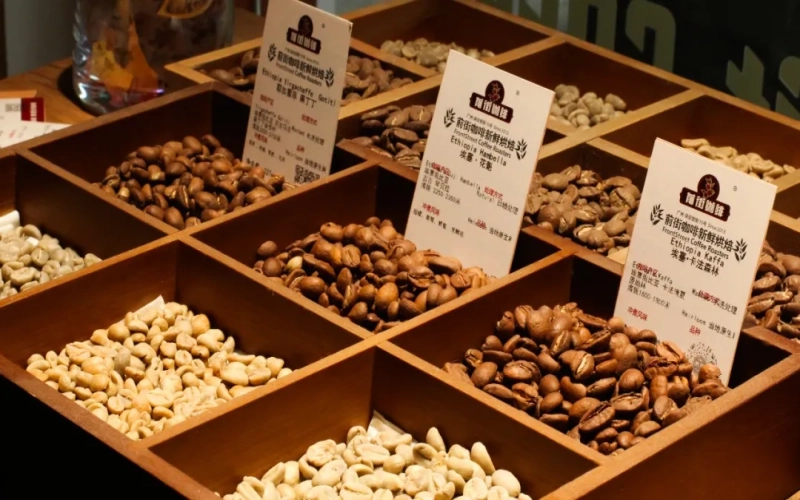
When selecting Ethiopian coffee beans, many people notice that the variety column almost always says "Heirloom/native species," and Front Street and other vendors are no exception. Why doesn't Ethiopian coffee label specific varieties like other producing countries? Is Heirloom actually Arabica? What does it have to do with the flavors of Huakui and Yirgacheffe? From the perspective of Front Street, this article first explains the definition and origin of Heirloom, then explains the practical reasons why it is difficult to subdivide varieties in Ethiopia, including the vast coffee gene pool, the model of wild harvesting and smallholder farming, and the convention of mixed purchasing at processing plants. Finally, it will also mention that Ethiopia does not only have Heirloom, and uses Huakui and Gudingding from the Front Street bean list as examples to let you experience the classic flavors of Guji and Yirgacheffe. [more…]